

Velocity VR
Role: Project Manager & Lead Designer
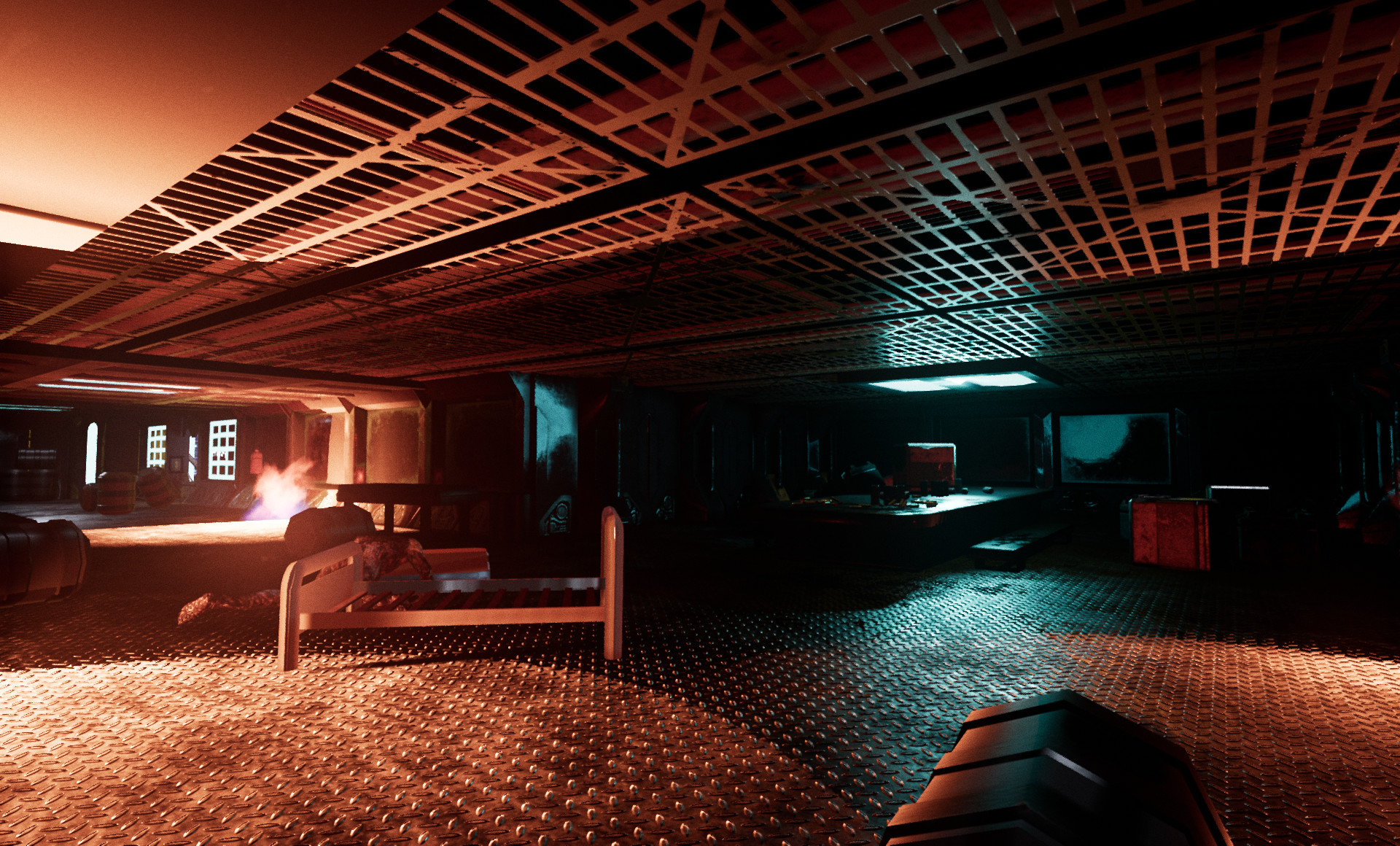
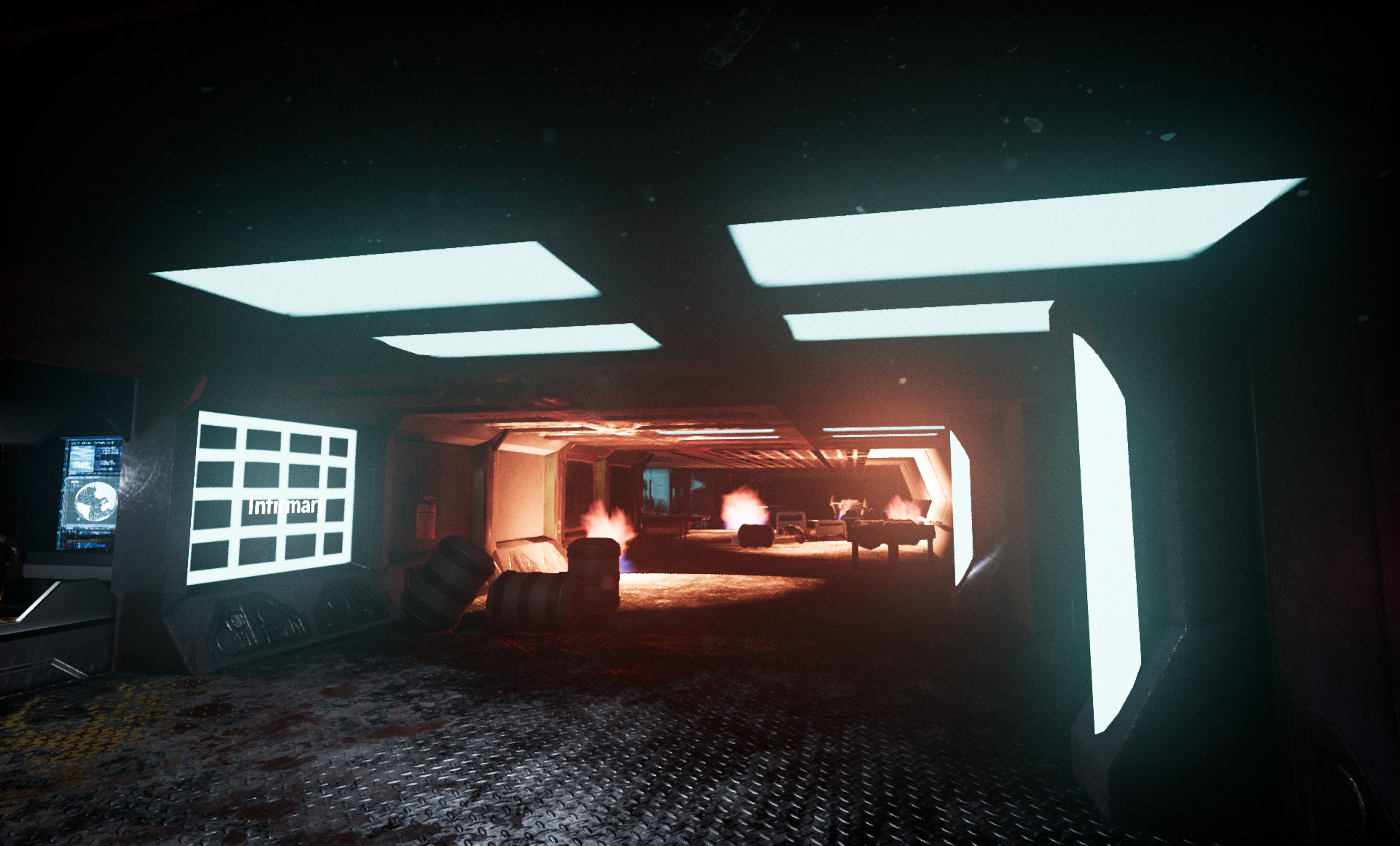
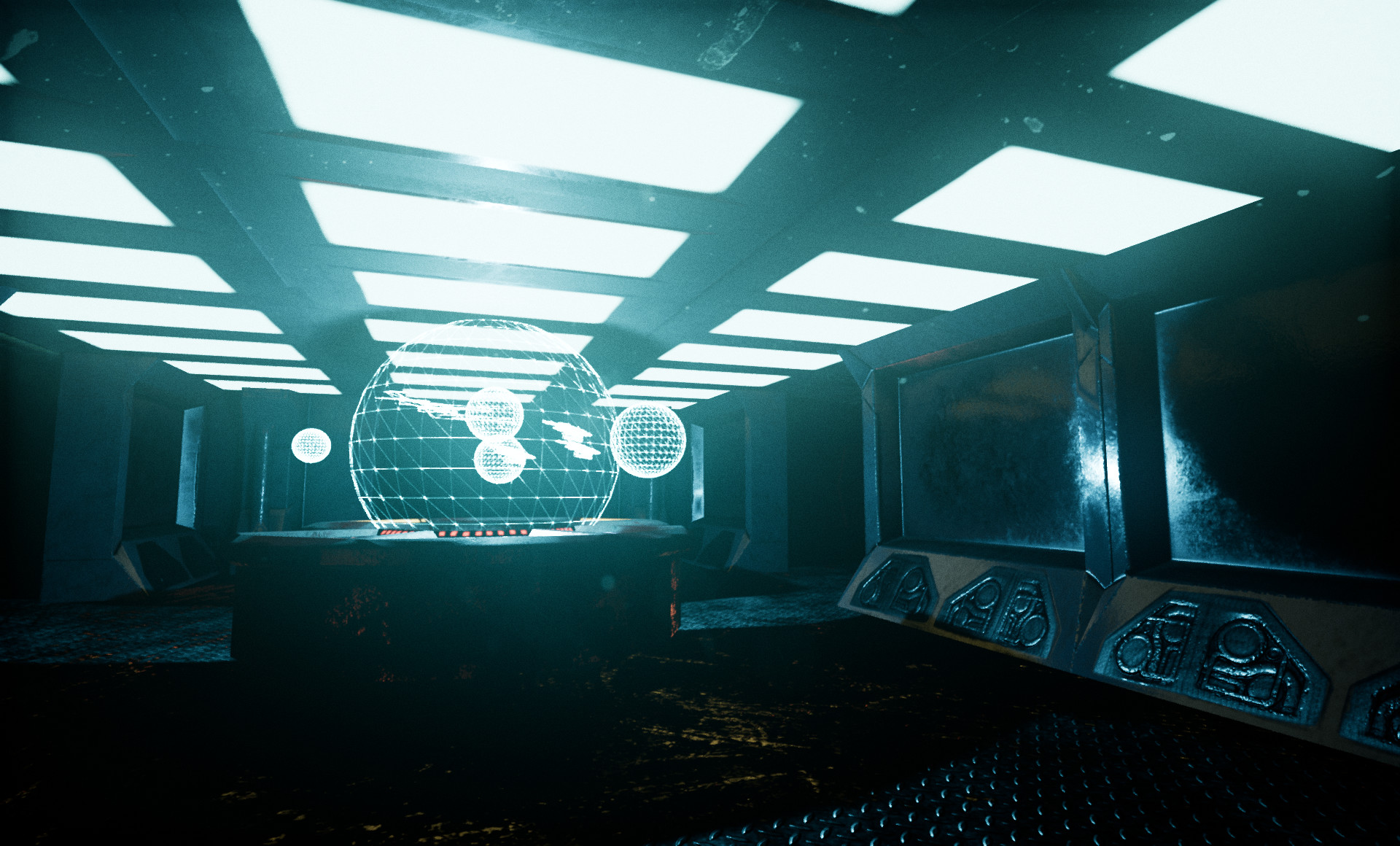
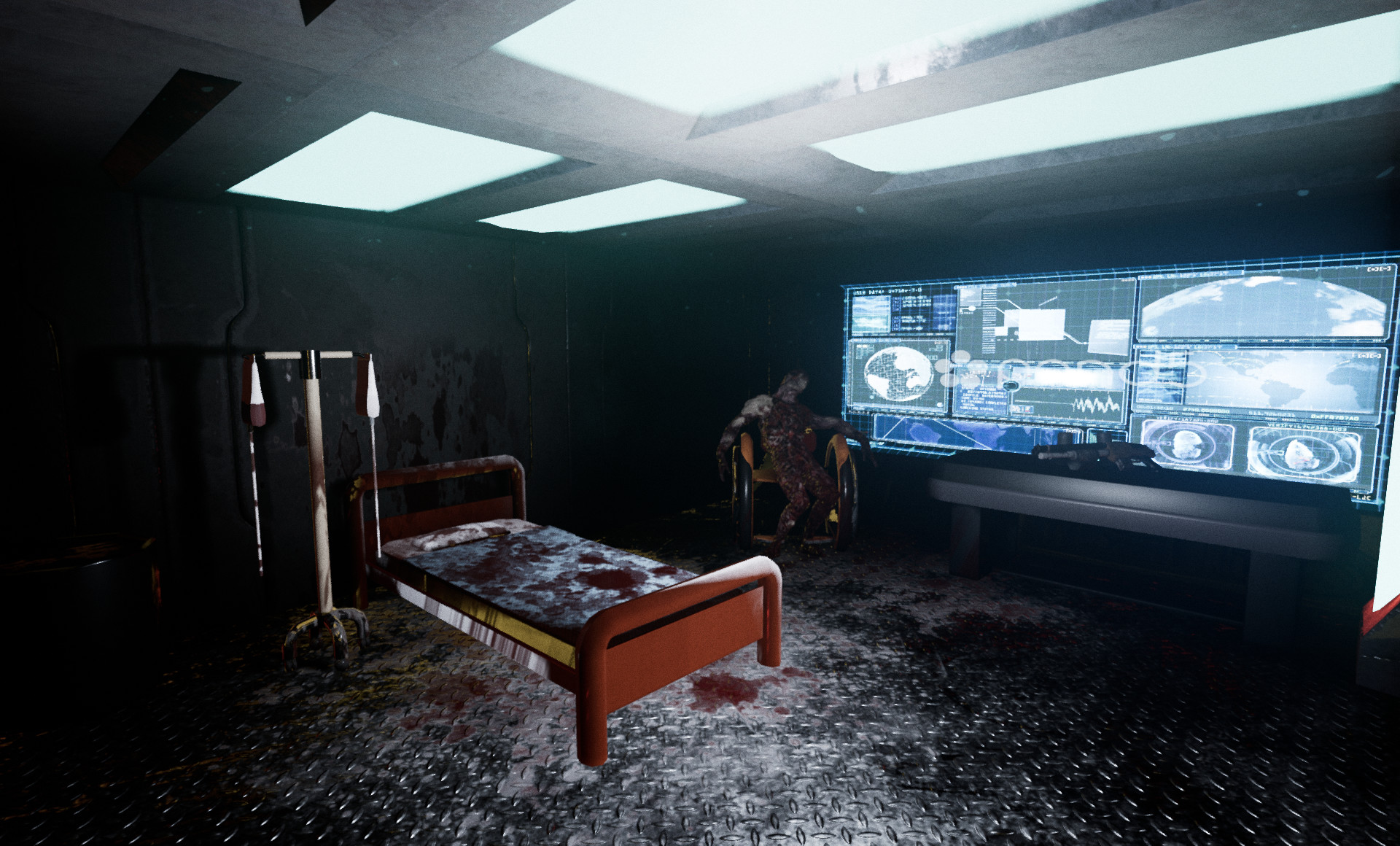
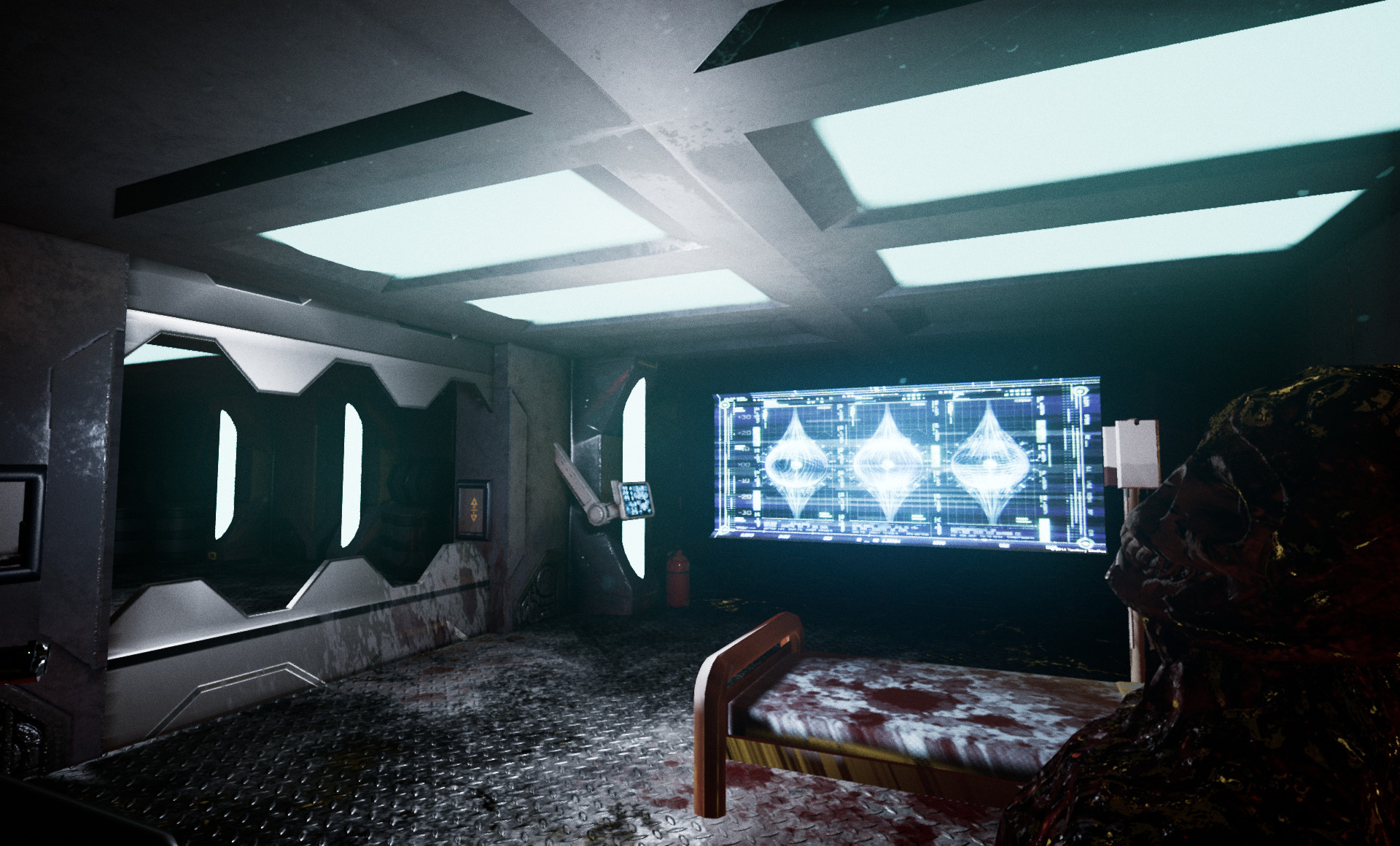
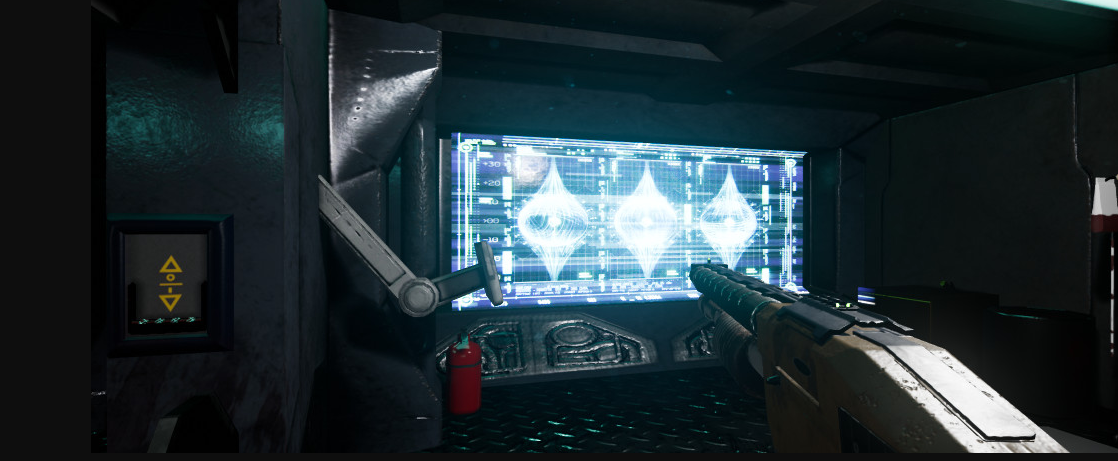
Description: Velocity VR is a survival horror game that immerses players in the chilling atmosphere of an abandoned colony spacecraft. Players are confined to a virtual wheelchair, forcing them to rely on strategy, stealth and resource management to navigate the ship and escape, discovering how they got there along the way. The primary obstacle is an intelligent and hostile extraterrestrial AI that relentlessly hunts the player, creating a tense horror experience. This game was developed for the original HTC Vive over a 14 week cycle as a major collabrative project for the Game Design advanced diploma I completed with the Academy of Interactive Entertainment.
- Immersive VR Horror: Conceptualised, designed and built for virtual reality to maximise immersion and suspense. At the time, VR was very new and the team and I wanted to challenge ourselves by developing this new and exciting medium. We were all prolific horror fans and felt that VR was the best vehicle to serve our vision.
-
Unique Locomotion:
The wheelchair-bound mechanic creates a distinct and challenging
gameplay experience, focusing on vulnerability and careful navigation
rather than direct combat. When VR had only just come out, a lot of locomotion was either point and click teleportation or thumbstick controls.
I felt that these options broke immersion, the main draw of VR for me, so I wanted to make a locomotion system that was:- A natural movement someone might make to move.
- Explained through the narrative.
- Playable while sitting down and/or with minimal room.
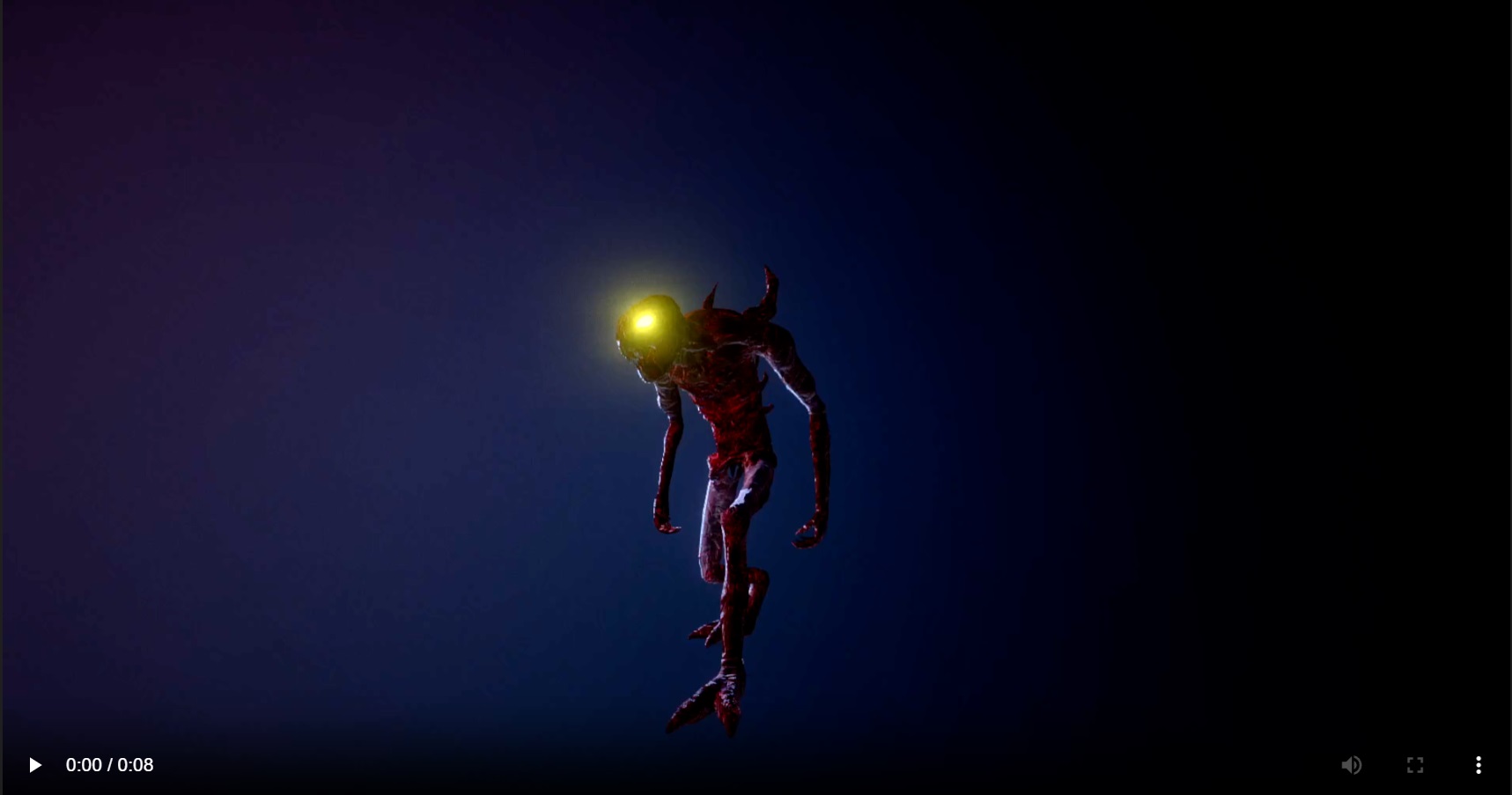
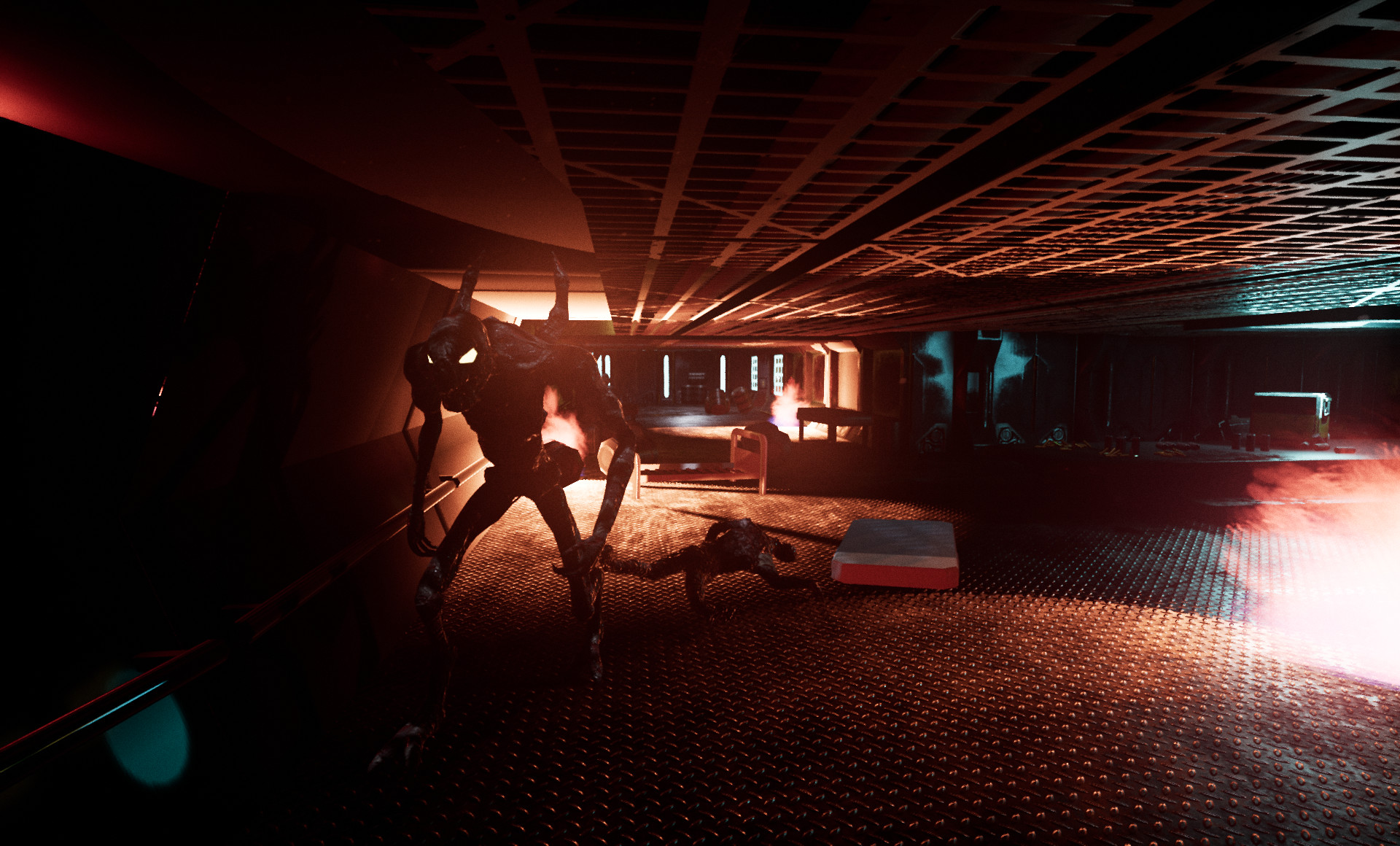
- Advanced Enemy AI: Players are stalked by a single, sophisticated enemy that was designed while referencing and drawing from the design of well known AI such as the Alien from Alien Isolation, a game that had released a few years previous. The AI was designed to feel like an intelligent hunder, balancing keeping the player on edge while not being overwhelmingly agressive.
- Atmospheric Storytelling: The abandoned spacecraft serves as a desolate, narrative rich environment that players must explore to uncover the story and find a path to escape. The narrative and setting were designed to provoke the feelings of isolation and uneasyness while propelling the player forward through intruigue and fear.
As the project manager, I led a team of five other students (three programmers, two artists) through their (and my own) first VR development experience. My responsibilities included defining the project vision, managing the development scope to fit our 14-week timeline, facilitating communication between within the team, and ensuring we delivered a polished final product while maintaining production documentation.
As the lead designer, my responsibilities included narrative and level design, assisting the programmers with mechanic design, and documenting the design process and outcomes in the game design document (GDD).
Leading this talented team to create a successful and compelling game was
a highlight of my time at AIE and a testament to our effective
collaboration and rapid skill acquisition.